
Patio, Walkway, or Retaining Wall: Which Outdoor Upgrade Should You Do First?
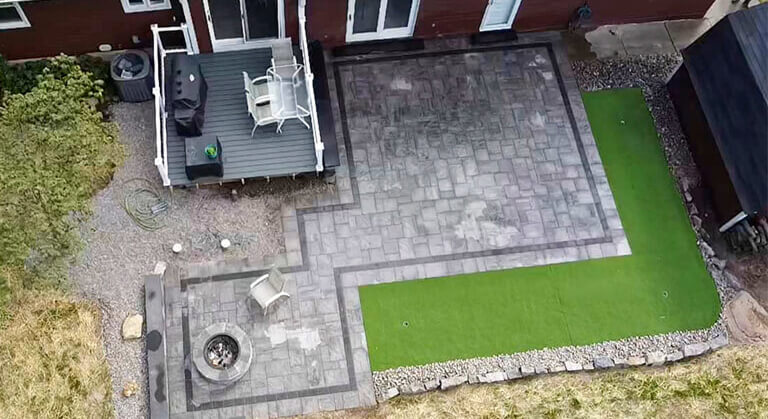
Introduction: Making the Right Investment in Your Outdoor Space
When homeowners decide to improve their outdoor spaces, they often find themselves asking the same question:
Where should I start?
With so many landscaping and hardscaping options available, it can be difficult to determine which project will provide the greatest impact. Three of the most popular outdoor upgrades are patios, walkways, and retaining walls. Each serves a unique purpose, offers different benefits, and comes with varying costs and maintenance requirements.
The challenge is that every property is different. What works perfectly for one homeowner may not be the best investment for another.
Some homeowners prioritize entertaining guests. Others want to improve curb appeal. Some need to solve drainage or erosion issues before they can even think about aesthetics.
Understanding the purpose, value, and long-term benefits of each option can help you make a smarter decision and maximize your landscaping investment.
In this guide, we’ll compare patios, walkways, and retaining walls based on cost, return on investment, functionality, maintenance, and visual impact so you can determine which upgrade should come first for your property.
Why Hardscaping Is One of the Best Home Improvements You Can Make
Before comparing specific projects, it’s important to understand why hardscaping continues to grow in popularity among homeowners.
Unlike plants, grass, and seasonal landscaping features, hardscaping provides permanent structure and functionality to outdoor spaces.
Hardscape features can:
- Increase property value
- Improve outdoor usability
- Enhance curb appeal
- Reduce maintenance requirements
- Improve drainage and safety
- Create defined outdoor living areas
In many cases, hardscape investments continue providing value for decades when properly installed and maintained.
That makes choosing the right first project even more important.
Option 1: Installing a Patio
What Is a Patio?
A patio is a designated outdoor living area typically constructed using pavers, concrete, natural stone, or brick.
Patios create functional spaces where homeowners can:
- Entertain guests
- Host family gatherings
- Grill outdoors
- Relax and unwind
- Add outdoor furniture
- Create dining areas
For many homeowners, a patio essentially becomes an extension of the home.
Benefits of a Patio
Creates Additional Living Space
One of the biggest advantages of a patio is that it expands usable square footage without requiring a costly home addition.
A well-designed patio creates an outdoor room that can be enjoyed throughout much of the year.
Increases Property Value
Outdoor living spaces remain one of the most desirable features among modern homebuyers.
Buyers increasingly view patios as essential rather than optional.
Improves Lifestyle
A patio encourages homeowners to spend more time outdoors while providing a comfortable area for socializing, dining, and relaxation.
Enhances Backyard Appeal
A professionally installed patio instantly transforms an empty backyard into a functional destination.
Patio Cost Considerations
Patio costs vary based on:
- Size
- Material selection
- Site preparation
- Design complexity
- Additional features
Natural stone patios generally cost more than paver or concrete installations, but they often provide a premium appearance.
While patios typically require a larger upfront investment than walkways, they often deliver substantial lifestyle benefits.
Patio Maintenance
Fortunately, patios are relatively low-maintenance.
Routine maintenance typically includes:
- Occasional cleaning
- Weed control between pavers
- Joint sand replenishment
- Sealing when necessary
Compared to lawn care, patios require minimal upkeep.
Patio ROI
Patios consistently rank among the top outdoor improvements for return on investment because they combine functionality, beauty, and buyer appeal.
If your goal is to maximize outdoor living and enjoyment, a patio is often the strongest first investment.
Option 2: Installing a Walkway
What Is a Walkway?
A walkway is a defined path that guides foot traffic through your property.
Walkways can connect:
- Driveways
- Front entrances
- Backyards
- Patios
- Gardens
- Outdoor living spaces
Although often overlooked, walkways play a major role in both aesthetics and functionality.
Benefits of a Walkway
Instantly Improves Curb Appeal
A beautifully designed walkway creates a welcoming first impression.
It naturally guides visitors toward your home while adding structure and elegance to the landscape.
Improves Safety
Walkways provide stable surfaces that reduce slipping hazards and muddy footpaths.
This becomes especially important during rainy seasons.
Enhances Landscape Design
Walkways create visual flow and help connect different areas of the property.
They make landscaping feel intentional and professionally designed.
Lower Initial Cost
Compared to patios and retaining walls, walkways are often the most budget-friendly hardscape project.
Walkway Cost Considerations
Walkway costs depend on:
- Length
- Width
- Material choice
- Curves and design complexity
- Site conditions
Because walkways generally require less material than patios, they often provide a more accessible entry point into hardscaping.
Walkway Maintenance
Maintenance is usually straightforward and may include:
- Sweeping debris
- Weed control
- Occasional pressure washing
- Minor repairs if settling occurs
Proper installation significantly reduces long-term maintenance needs.
Walkway ROI
While walkways may not create the same dramatic lifestyle upgrade as patios, they often generate excellent curb appeal returns.
A professionally designed walkway can make a home appear more polished, valuable, and inviting.
For homeowners focused on first impressions, a walkway can be an outstanding starting point.
Option 3: Installing a Retaining Wall
What Is a Retaining Wall?
A retaining wall is a structural feature designed to hold back soil and manage changes in elevation.
Retaining walls serve both functional and aesthetic purposes.
They are commonly used to:
- Prevent erosion
- Manage drainage
- Create level spaces
- Support slopes
- Improve landscape design
For properties with uneven terrain, retaining walls often become essential rather than optional.
Benefits of a Retaining Wall
Solves Drainage Problems
Water management is one of the primary reasons homeowners install retaining walls.
Poor drainage can lead to costly property damage if left unresolved.
Prevents Soil Erosion
Retaining walls stabilize slopes and prevent soil from washing away during storms.
Creates Usable Space
Many sloped yards have limited functionality.
Retaining walls can transform unusable hillsides into flat, functional areas.
Adds Architectural Interest
Modern retaining walls add depth, structure, and visual appeal to landscapes.
Retaining Wall Cost Considerations
Retaining walls often involve:
- Engineering considerations
- Excavation
- Drainage systems
- Reinforcement materials
Because of their structural role, retaining walls can sometimes represent a larger investment than walkways and certain patio projects.
However, they often solve expensive problems before they become worse.
Retaining Wall Maintenance
A properly built retaining wall requires relatively little maintenance.
Periodic inspections can help identify:
- Drainage issues
- Shifting
- Cracks
- Settlement
Professional installation is critical to long-term performance.
Retaining Wall ROI
While retaining walls may not always provide the immediate visual impact of patios, they often deliver tremendous value by protecting the property and expanding usable land.
In some situations, a retaining wall is the foundation that makes future landscaping projects possible.
Comparing the Three Projects
If Your Goal Is Outdoor Entertaining
Choose a Patio.
A patio provides the greatest benefit for:
- Family gatherings
- Outdoor dining
- Relaxation
- Entertaining guests
No other hardscape feature offers the same lifestyle impact.
If Your Goal Is Better Curb Appeal
Choose a Walkway.
Walkways create immediate visual improvement and help your home stand out from neighboring properties.
A professionally designed entrance path often creates one of the strongest first impressions.
If Your Goal Is Solving Property Problems
Choose a Retaining Wall.
When dealing with:
- Erosion
- Drainage issues
- Slopes
- Soil instability
A retaining wall should usually come first.
Addressing structural concerns before cosmetic improvements prevents future headaches.
Which Upgrade Delivers the Best Return on Investment?
The answer depends on your property’s needs.
Generally speaking:
Best Lifestyle ROI:
Patio
Provides daily enjoyment and extends living space.
Best Curb Appeal ROI:
Walkway
Transforms first impressions at a relatively affordable cost.
Best Functional ROI:
Retaining Wall
Protects the property and creates usable land.
Signs You Should Start with a Patio
A patio is likely your best first project if:
- You enjoy entertaining outdoors
- Your backyard feels underutilized
- You want an outdoor dining area
- You have relatively flat terrain
- You already have good drainage
Signs You Should Start with a Walkway
A walkway may be the best first choice if:
- Your front entrance feels uninviting
- Visitors walk through grass or mud
- Your landscaping lacks structure
- You want a budget-friendly improvement
- Curb appeal is your top priority
Signs You Should Start with a Retaining Wall
A retaining wall should come first if:
- Your yard has steep slopes
- Soil erosion is visible
- Water pools around the property
- Certain areas are unusable
- Existing landscaping is being damaged
Ignoring these issues can lead to larger repair costs later.
The Best Long-Term Strategy: Combining All Three
While homeowners often start with one project, the most impressive landscapes eventually combine all three elements.
Imagine a property with:
- A welcoming walkway leading to the entrance
- A beautiful patio for outdoor living
- Elegant retaining walls creating structure and usable space
Together, these features create a cohesive landscape that feels professionally designed and highly functional.
Many landscaping master plans are built in phases, allowing homeowners to spread investments over time while steadily improving their property.
How to Prioritize Your Project
When deciding where to start, ask yourself these questions:
What problem am I trying to solve?
Functional issues like erosion and drainage should always take priority.
How do I use my outdoor space?
If you love entertaining, a patio may provide the greatest benefit.
What area of my property bothers me most?
The answer often points toward the best first project.
What is my budget?
Walkways typically offer the lowest entry point, while larger patios and retaining walls may require greater investment.
Final Thoughts: Which Upgrade Should You Do First?
Patios, walkways, and retaining walls all provide tremendous value—but the right choice depends on your property’s unique needs.
If your goal is creating an outdoor destination for relaxation and entertainment, a patio is likely the best starting point.
If improving curb appeal is your priority, a walkway can dramatically enhance the appearance and functionality of your landscape.
If you’re dealing with slopes, drainage issues, or erosion, a retaining wall should come first to protect your property and establish a solid foundation for future improvements.
The most successful landscaping projects begin with a thoughtful plan rather than a rushed decision. By evaluating your goals, budget, and property conditions, you can confidently choose the upgrade that delivers the greatest impact today while setting the stage for future outdoor improvements.
When designed and installed professionally, any of these hardscape features can elevate your property’s beauty, functionality, and value for years to come.